
Living with a conservation status
Protected area, ecological easement, Natura 2000: what each status restricts, allows, and quietly protects.
- Text: admin
- 2 min read
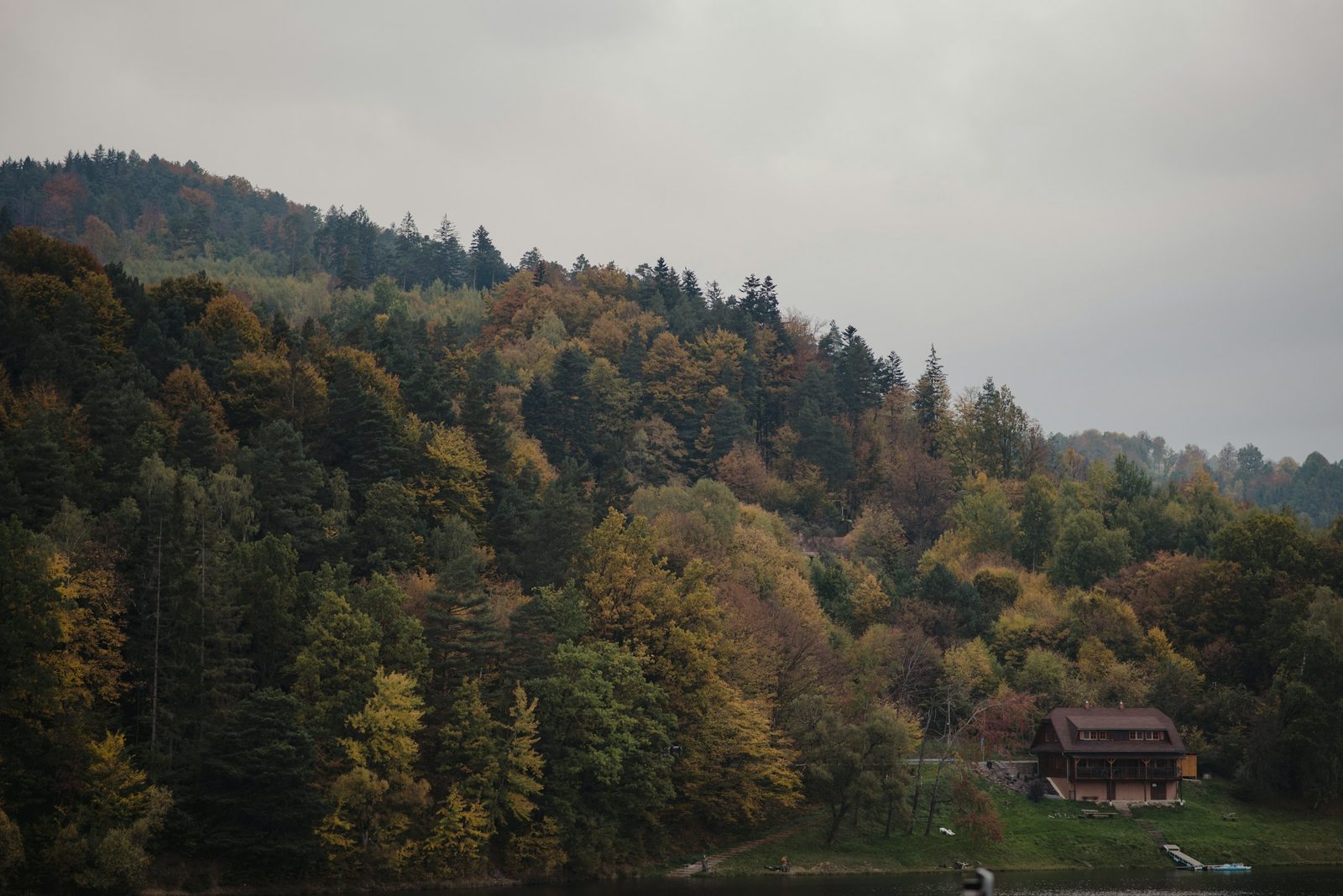
A protected status is rarely a prohibition. It is a conversation with the authority about what may change on the land and what may not, and it begins before the purchase.
Four words, four meanings
The same land can be described in several ways, and they do not mean the same thing:
| Status | Usually restricted | Usually allowed |
|---|---|---|
| Protected area | New building and major works | Farming, forestry, existing uses |
| Natura 2000 site | Works that harm the habitat | Activities that match the objectives of the site |
| Easement | What the deed lists | Everything else |
| Listed landscape | Visible changes | Maintenance |
“The best conservation status is the one that the owner would have chosen anyway.”
A land trust adviser
What it protects, quietly
- a view, because nothing large can be built in front of it;
- a neighbourhood, since the same rules apply to the other owners;
- a value, that tends to hold in markets where open land is scarce.
In practice
Before you sign
| Deed | Ask for the exact text of any easement, not a summary. |
| Plan | Check the maps: boundaries are sometimes drawn across parcels. |
| Works | List anything you intend to build, and ask whether it is possible. |
| Support | Some statuses come with grants or tax relief: ask who to contact. |
A conservation status is a constraint you accept, and a story you inherit. Knowing which one it is, before the offer, is the whole job.