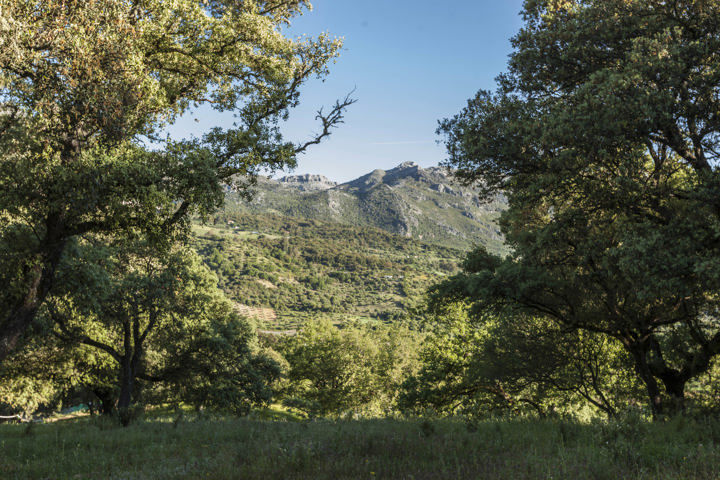
Tuscany’s woods: chestnut, oak and, with luck, truffle
Chestnut, oak and, with luck, truffle: a walk through the woods that give Tuscan estates their quiet value.
- Text: admin
- 1 min read
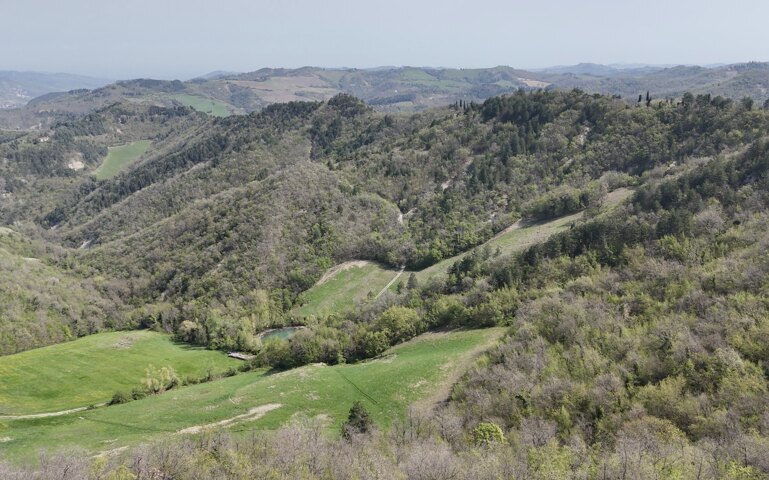
Every Tuscan estate has a wood, and the wood is rarely what it seems. It may be a chestnut grove planted three centuries ago, a coppice cut every fifteen years or a patch of oak where someone, once, found a truffle.
Three kinds of wood
- Chestnut
- Oak
- Timber and firewood, slow but steady
- The home of the best truffle grounds
- Pine and cypress
Chestnut has been grown here for fruit, timber and stakes. Oak is the wood of long patience. Pine and cypress, often planted in the twentieth century, are the most visible and the least valuable.
| Chestnut coppice | Stakes, firewood | Cut every 12 to 20 years |
| Oak | Timber, truffles | Several decades |
| Pine | Shelter, construction timber | Variable |

“A wood is the only part of an estate that grows while you sleep.”
Journal
How a truffle ground is proven
- A harvest record over several seasons, not a single good year.
- The species found, since not every truffle has the same value.
- The right to collect, which may be reserved or leased.
If a truffle ground is part of the sale, it should be written into the deed. For a wood with that potential, see Tenuta del Bosco.