Buying an equestrian estate: what the paddocks hide
Paddocks, drainage, stable yards, bridle paths: what to look at when the land is meant for horses.
- Text: admin
- 2 min read
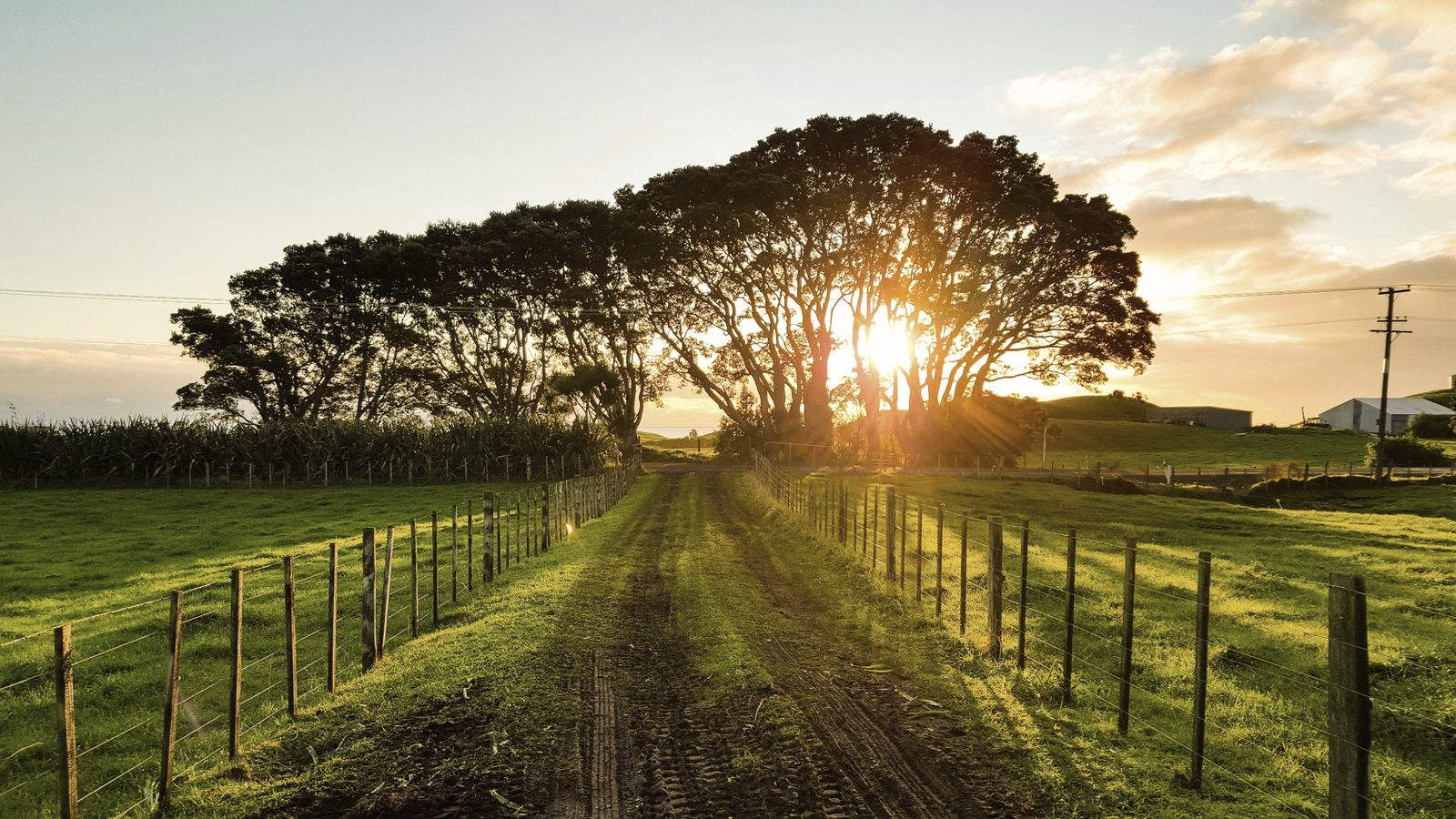
An equestrian property is rarely sold by its land. The photographs show the yard, the arena, the long driveway. The land is where the real questions are, and a good viewing starts there.
The ground comes first
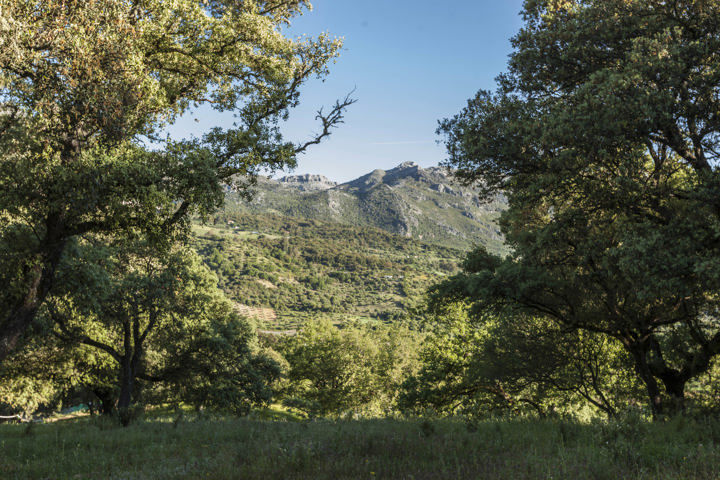
Horses are hard on grass and hard on ground that stays wet. Walk the paddocks after rain, not in a dry week.
- Drainage: standing water in winter is a hoof problem in waiting;
- Shelter: trees and hedges for shade in summer and wind in winter;
- Fencing: its height, its condition and, above all, who maintains the boundary.
Buildings that work
Stables are judged on ventilation and light before they are judged on looks. A beautiful stone barn can be a poor stable.
“Ask the rider, not the agent, how long it takes to bring in six horses on a rainy night.”
A yard manager in Tuscany

In practice
Checklist for a viewing
| Paddocks | Walk them all, and look at the corners and the gateways. |
| Drainage | Ask for photographs taken in winter. |
| Stables | Count the boxes, then check air and light in each. |
| Access | Is the track public, shared or private? Can a horsebox turn? |
Estates such as Tenuta del Bosco show how land, buildings and riding can be made to work together.