
Forest management plans, explained
A forest is bought for what it will yield in thirty years. The management plan is where that future is written down.
- Text: admin
- 2 min read
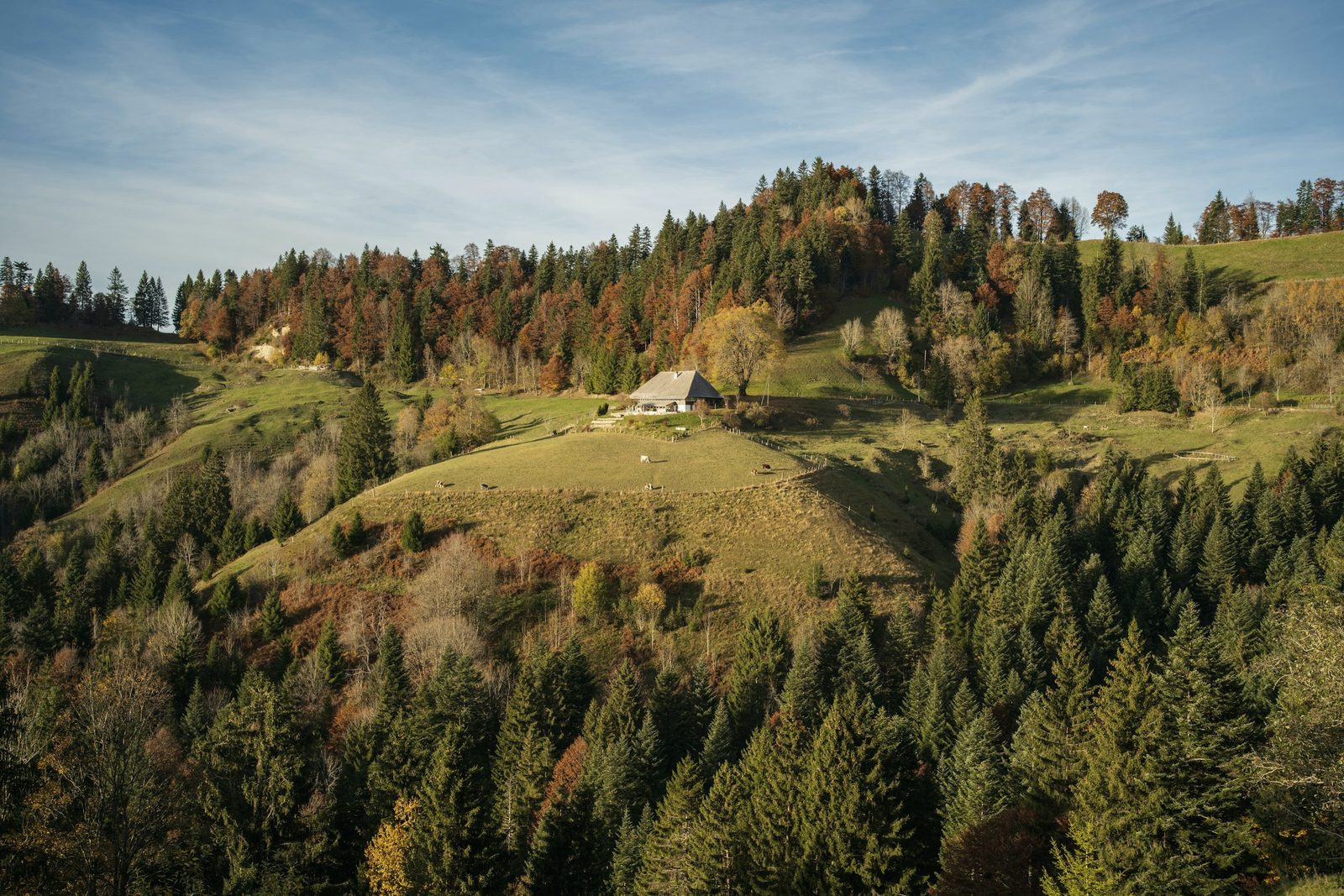
Buying a forest is buying time. The trees you see were planted, or spared, by someone who would never see them harvested; those you plant will do the same for the next owner. The management plan is the document that links the two.
Reading a forest plan
A plan divides the forest into stands: areas of similar species, age and soil. For each stand it sets out what will be done, and when.
The stands
Start with the map. A forest of a single stand is simple to run and fragile to disease. A forest of many small stands is richer, but costs more to manage.
Age classes
Look at the spread of ages. A forest where everything was planted in the same decade will also be ready for harvest in the same decade, with very little in between.
| Stand | Species | Age | Next operation |
|---|---|---|---|
| A1 | Sessile oak | 85 years | Thinning, next season |
| B2 | Scots pine | 40 years | Selective thinning |
| C3 | Mixed broadleaves | Irregular | Left to evolve |
The calendar of a plan
- Marking of the trees to be thinned.
- Felling, outside the nesting season.
- Replanting, or natural regeneration where the seed trees allow it.
- Review of the plan, usually every ten years.
Ask for the plan in its latest approved version, with the record of operations actually carried out. The gap between the two says a lot about the previous owner.