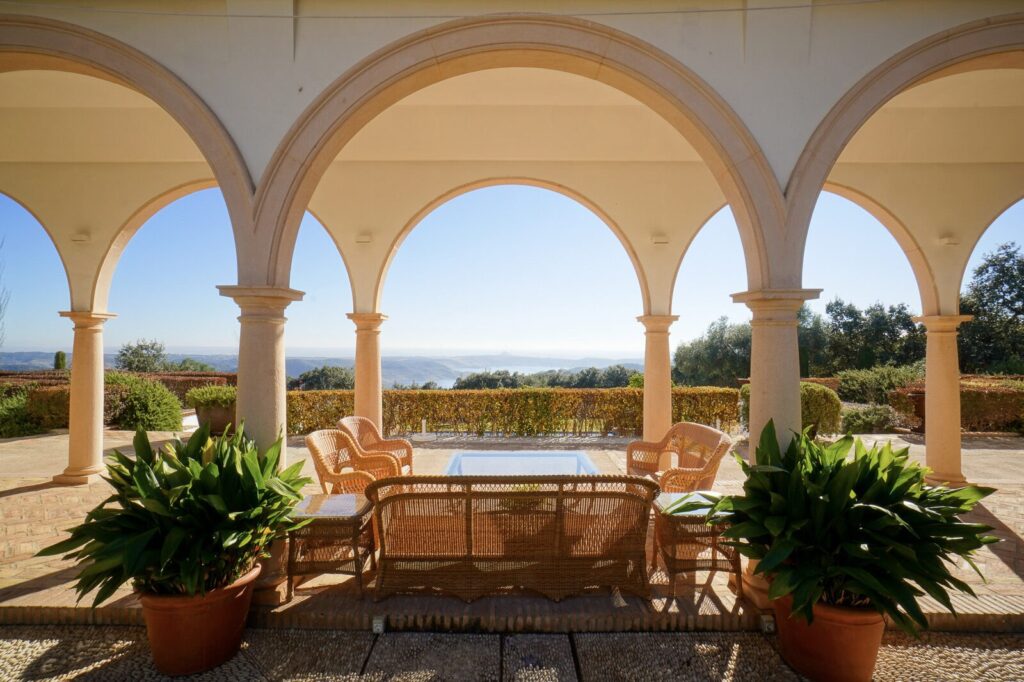
The holm-oak dehesa, a landscape that is farmed
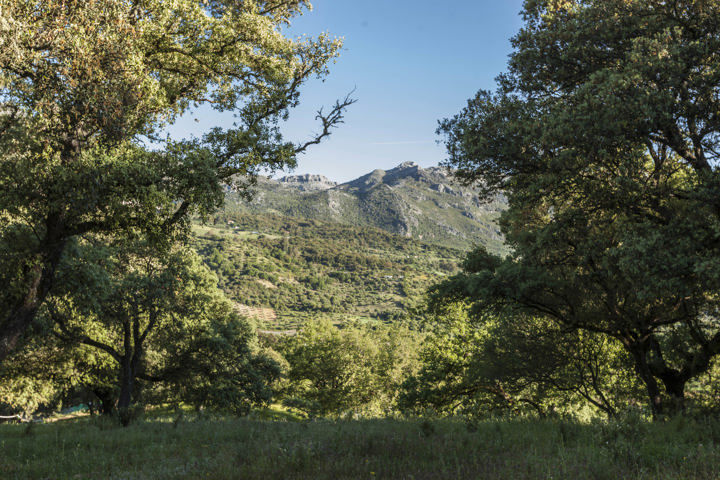
Holm oaks, pasture and livestock: the dehesa looks wild, yet every tree in it has been managed for centuries.
- Text: admin
- 2 min read
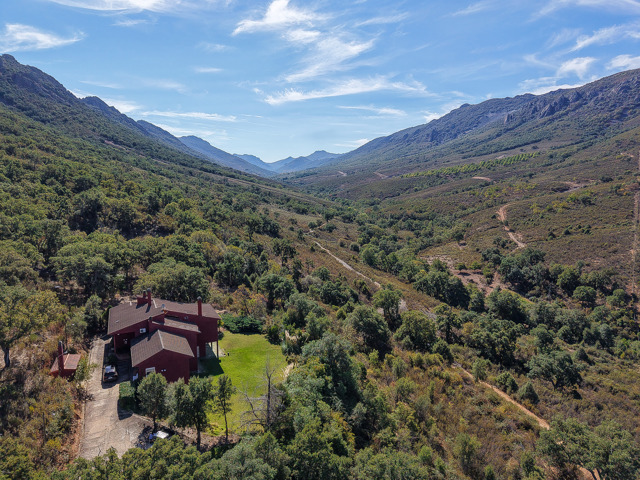
From the road, a dehesa looks like untouched woodland. It is nothing of the sort. The open spacing of the oaks, the grass beneath them and the animals that graze it are the result of centuries of deliberate choices, and they only last as long as someone keeps making them.
An old agreement between trees and animals
The holm oak gives acorns, shade and firewood. The livestock keeps the scrub down and fertilises the pasture. The owner prunes, thins and replants. Remove one of the three and the system slowly closes up into scrub, or opens up into bare ground.
“The tree feeds the animal, the animal keeps the scrub down, and both pay the rent.”
As a farmer put it to us
What a buyer should check
- the age and pruning history of the oaks: a dehesa with no young trees is a dehesa that is ending;
- the grazing rights, and whether the livestock belongs to the land or to a tenant;
- the water points, which decide how many animals the land can carry;
- the hunting rights, often a significant part of the income.
A year on the dehesa
Pruning in winter, acorn fall in autumn, the montanera when the pigs are let out under the trees. An estate is never quiet, only quietly busy.

Looking for a working estate in the south? See Finca La Dehesa and Cortijo Alto.