
The rut, an October morning
Every autumn the forests echo with the call of the stags: the best moment to read the health of a territory.
- Text: admin
- 2 min read
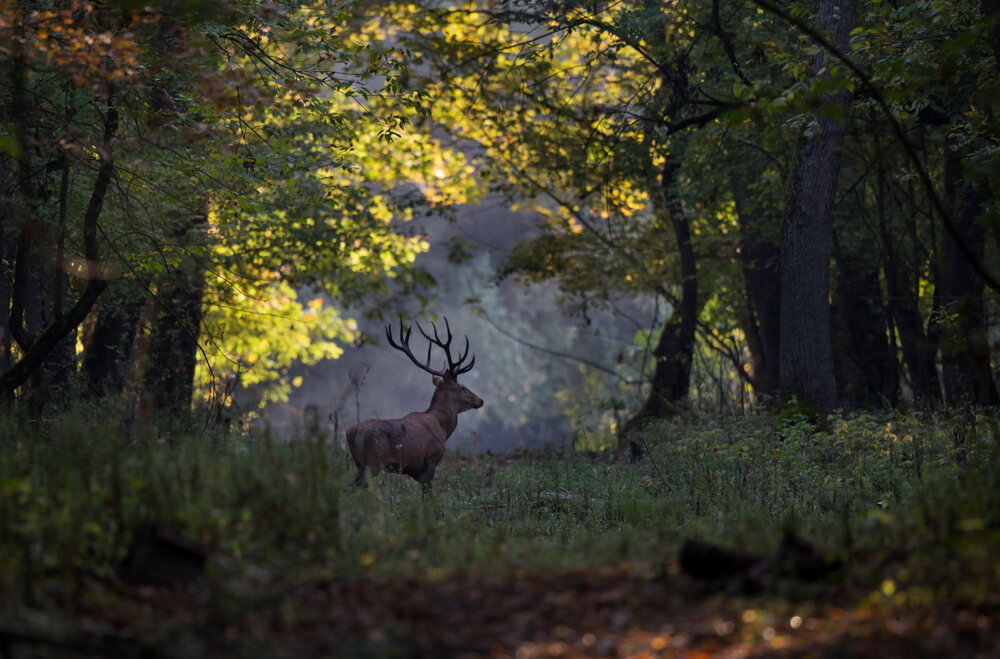
It is six in the morning and the valley is still drowned in mist. The first cry rises from the bottom of the vale, hoarse, almost a growl. A second answers from the ridge. For a few weeks, between mid-September and mid-October, the red stag does nothing else: roaring, watching his hinds, driving off rivals.
The rut is one of the great spectacles of European nature. It can be heard from the Scottish Highlands to the sierras of Andalusia. On an estate, it also tells a lot to those who know how to listen.
What the rut reveals about a territory
The number of stags roaring, the distance between their rutting grounds and the apparent age of the males give a fairly faithful picture of the balance of a population.
“An estate is judged in autumn, by ear, before it is judged on plan.”
Field Journal
A matter of landscape
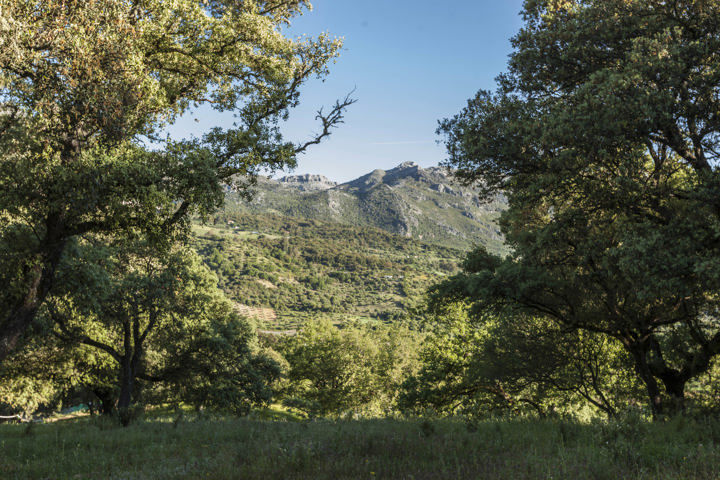
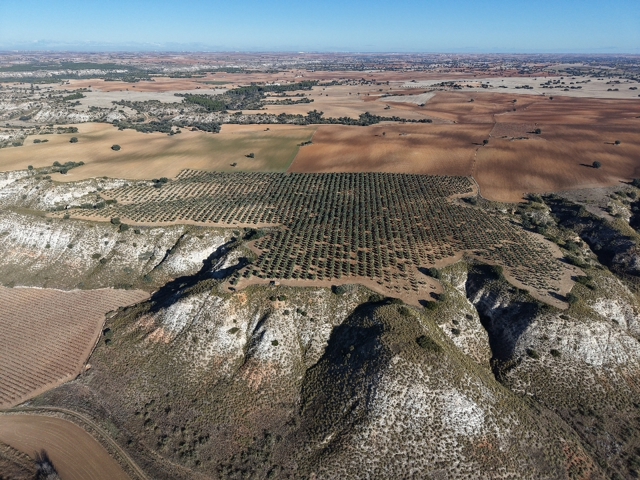
The stag needs calm, cover and space. The estates where it thrives almost always combine large wooded massifs, clearings to feed in and accessible water at the end of summer.
In practice
Listening to the rut without disturbing it
| When | From mid-September to mid-October, depending on altitude and weather. |
| Time | An hour before sunrise and after sunset. |
| Distance | Stay under cover and downwind, and never approach a rutting stand. |
Visiting an estate during the rut means seeing it at its most alive.